What Is Growth Hormone Therapy for Women?
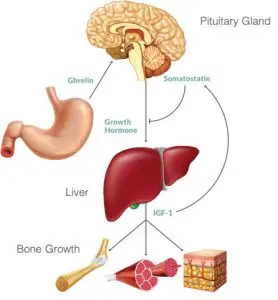
Human Growth Hormone or “HGH” is a vital body component. It stimulates the liver to produce vital compounds called somatomedins, promoting:
- Healthy cellular growth
- Muscle gain
- Bone development
- Healing and tissue repair
- Healthy brain function
- And more
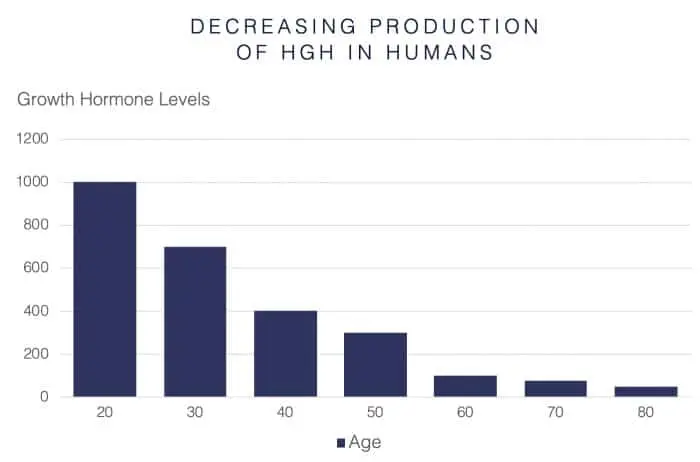
HGH is a protein-based hormone that can help support a healthy metabolism, physical performance, and mental clarity. Unfortunately, our bodies produce less over the years.
HGH is naturally released by our pituitary gland, mostly during deep sleep. But as we get older, our bodies produce less HGH.
 HGH therapy for women replaces growth hormone when the body doesn’t make enough of it. Some decline with age is normal and isn’t a reason for treatment on its own. In the US, prescribing HGH is legally restricted to specific diagnosed conditions, such as adult growth hormone deficiency, and it is not prescribed for anti-aging or weight loss. That’s why a diagnosis comes first.
This page covers growth hormone care for women. For a general overview of how growth hormone works, see our human growth hormone therapy in Miami page. It is one part of our hormone replacement therapy program in Miami. Men can find their options on our HGH therapy for men page.
Growth Hormone Deficiency in Women
Some adults are diagnosed with Adult Growth Hormone Deficiency or AGHD. It’s most often caused by a problem with the pituitary gland, such as a tumor, surgery, radiation, or a head injury, and some women have had low growth hormone since childhood. While it’s more likely to strike later in life, women in their 30’s and 40’s still experience AGHD. The gradual decline that comes with normal aging is not the same thing as AGHD.
Commonly experienced symptoms of AGHD include:
- Reduced libido
- Unwanted weight gain
- Fatigue
- Weakness in muscles or trouble building muscles
- Irregular sleep cycles
- And more
Other signs can include more fat around the waist, thinner bones, higher cholesterol, low mood, and a lower sense of well-being.
Fortunately, AGHD can be treated once it has been diagnosed.
These symptoms are common, and most women who have them don’t have a growth hormone deficiency. Thyroid problems, iron deficiency, poor sleep, stress, and changes in estrogen and progesterone can all look the same, so we test before we treat. If your symptoms began around the end of your periods, our page on menopause treatment explains that transition. For hormone changes at any life stage, see hormone therapy for women, and if weight is your main concern, our medical weight loss program may be a better fit.
Possible Benefits of HGH for Women
 The benefits of HGH Therapy for women diagnosed with growth hormone deficiency may include:
- Original benefits list – EDITED
- Healthier body composition, with more lean muscle mass relative to body fat
- Improved bone density and strength
- Healthier blood cholesterol levels
- Increased energy and mental clarity
- A better overall sense of well-being
Benefits are gradual and depend on your diagnosis, your dose, and your health overall. HGH isn’t a treatment for aging, weight loss, or low sex drive on its own, and good sleep, nutrition, and exercise still matter. Results vary.
How We Evaluate Women for HGH Therapy in Miami
Growth hormone is released in pulses through the day and night, so a single blood test for HGH itself doesn’t tell you much. Instead, your provider looks at your symptoms and history first, then checks IGF-1, a marker that reflects growth hormone activity. When a deficiency is suspected, a stimulation test may be needed to confirm it.

Set up a free consultation
Fill out the form to set up your free consultation with our Age Management Specialists. They will discuss your best options at our center for HGH therapy in Miami.

Set a doctor consultation
Your provider reviews your history and orders lab work, including IGF-1 and a check for other causes of your symptoms. If testing confirms a growth hormone deficiency, our medical experts can prescribe a customized HGH treatment plan.

Get your personalized plan
Your provider goes over your results, your options, how treatment is monitored, and the cost. Together you decide whether treatment is right for you.
Your Internal Blueprint™ assessment, which includes lab work, is your first visit after the free consultation.
HGH Therapy Options for Women
If you’re diagnosed with a growth hormone deficiency, treatment is usually a small injection of growth hormone under the skin, given at home. Your provider starts with a low dose and adjusts it over time based on how you feel and on your IGF-1 levels.
Women often need a different dose than men, and women who take estrogen by mouth may need more, because oral estrogen changes how the liver responds to growth hormone. Your plan accounts for any other hormones you take.
There is no set amount of HGH that all women should take each day. Instead, like any medical prescription, the amount you need will be prescribed by your medical specialist. Work with your medical team to determine the safe and effective amount for your body’s unique composition.
If testing doesn’t show a deficiency, HGH isn’t the right treatment, and your provider will talk with you about other options. These may include hormone therapy for women when estrogen, progesterone, or testosterone levels are the issue, and NuLife’s diet and exercise programs.
Your provider may also recommend a growth hormone peptide, such as sermorelin, which prompts your pituitary gland to release more of its own growth hormone.
Monitoring and Safety
Growth hormone treatment isn’t set once and left alone. After you start, your provider checks in on how you feel and repeats IGF-1 and other lab work, such as blood sugar, at regular intervals so your dose can be adjusted.
Tell your provider about side effects such as swelling in your hands or feet, joint or muscle aches, numbness or tingling in your hands, headaches, or changes in blood sugar. Many side effects ease when the dose is lowered.
HGH isn’t right for every woman. Women with active cancer, certain eye problems from diabetes, or a serious acute illness may not be candidates, and women who are pregnant or planning a pregnancy should discuss this first. Your provider reviews your history before prescribing anything.
What to Expect From HGH Therapy for Women
First visit: a free consultation, then lab work.
Your results: a visit with your provider to go over your labs. If they don’t point to a growth hormone deficiency, you’ll talk about what else may explain your symptoms.
First few months: if you start treatment, every patient is different. Some women notice changes in energy or well-being within a few months, while changes in body composition and bone density take longer, often a year or more.
Ongoing care: regular check-ins and lab retesting keep your dose where it should be.
Results vary, and they depend on sleep, nutrition, and exercise as well as treatment.
Why Women Choose NuLife Institute in Miami
NuLife Institute focuses on functional, integrative medicine and age management, and has worked with more than 10,000 patients. Our Miami clinic is led by Medical Director Frank J. Welch, M.D., with Janine L. Herrera, APRN-BC. Meet them on our team page. Every plan starts with your labs, and you have access to a patient care advisor and your provider with questions along the way. We’ll also tell you when growth hormone isn’t the answer.

Hundreds of Verified Five Star  Google Reviews
Hear what men are saying about NuLife Institute hormone therapy. Read the reviews and testimonials from real-life patients we help every day.
Certified by the best age management medical boards in the industry.

Common HGH for Women Questions
Can HGH be prescribed for anti-aging or weight loss?
No. In the US, prescribing HGH is legally restricted to specific diagnosed conditions, such as adult growth hormone deficiency. It isn’t prescribed to slow aging, for weight loss, or to improve athletic performance. Our HGH FAQ page explains the rules in more detail.
Is HGH different for men vs women?
Yes, men’s and women’s bodies respond to HGH differently. Women generally require a higher dosage of HGH than men, especially women who take estrogen by mouth. This is because oral estrogen changes how the liver responds to HGH in the body. Similarly, men typically find a faster response of HGH in their system when compared with a woman’s.
Is HGH safe for women, and what are the side effects?
Any hormone treatments come with some potential side effects as well. This could include water retention, joint pain or stiffness, numbness or tingling in the hands, and higher blood sugar. When considering HGH injections for women, we recommend speaking with a specialist. Your provider screens you before treatment and monitors you with regular labs. Our team in Miami is here to answer your questions!
Should I do HRT or HGH? Or both?
Obviously, the answer is going to be different for everyone. All medical decisions are up to the patient and their physician. Most women’s symptoms are linked to estrogen, progesterone, or testosterone rather than growth hormone, and your labs show which applies to you. Feel free to contact our Patient Care Experts at (305) 400-0005 for more information.
How long does HGH therapy take to work?
Every woman is different. Some notice changes in energy within a few months, while body composition and bone changes take longer. Our team realizes that AGHD can be a serious condition. If we identify an issue with your hormone levels, we can then create a customized program. Results vary.
How much does HGH for women cost in Miami?
Cost depends on your lab work and the treatment your provider recommends. Your first consultation is free, and we go over the cost of your plan before you start.
Does NuLife accept insurance for HGH therapy?
NuLife Institute doesn’t accept insurance. Financing through CareCredit is available, and we go over costs at your free consultation.
Where can I get HGH for women near Miami?
Our Miami clinic is at Ten Museum Park, 1040 Biscayne Blvd, 8th Floor, Miami, FL 33132. Most local patients come in person for their first visit, and follow-up visits can be done by telehealth (phone or video) with a NuLife provider licensed in your state.